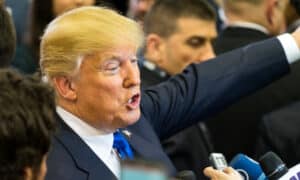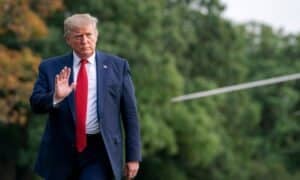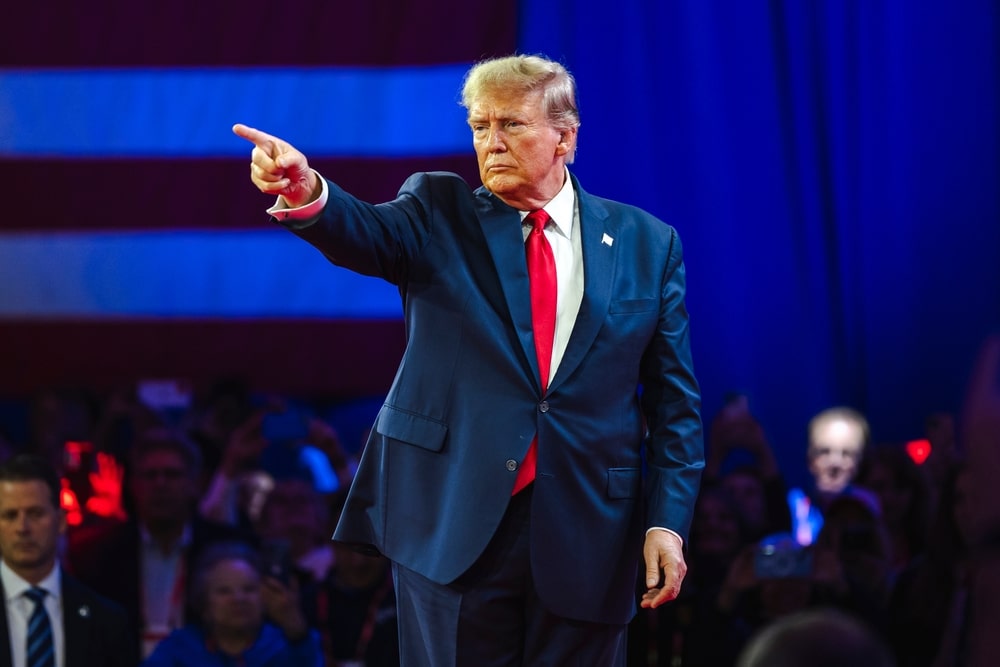
President Donald Trump is poised to enact an executive order that will significantly impact the landscape of college sports.
In a departure from the traditionally understated involvement of prior presidents in sports, Trump has prioritized this issue during his current term. Since his return to office, he has made several notable moves in the realm of athletics and attended key events like the Super Bowl and FIFA Club World Cup.
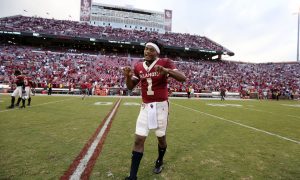
Reports from Front Office Sports indicate that he is developing an executive order designed to establish national guidelines for the Name, Image, and Likeness (NIL) program. This initiative arises from concerns regarding the current lack of structure and oversight surrounding athlete compensation.
The forthcoming order aims to align with the recently proposed SCORE Act (Student Compensation and Opportunity through Rights and Endorsements), which seeks to unify regulations on NIL deals to ensure equitable compensation for student-athletes.
If enacted, Trump’s executive order could potentially supersede state laws governing NIL deals.
Donald Trump’s NIL Plans Face Criticism
Unsurprisingly, the response to this news has been varied. SEC Commissioner Greg Sankey reportedly felt blindsided by the announcement, voicing concerns regarding its possible repercussions.
Some critics maintain that the order might fail to achieve its goals since the NCAA operates autonomously from the executive government. Others warn that it may enable the NCAA to exploit athletes akin to practices seen before student-athletes were granted the ability to monetize their talents.
“The AFL-CIO Sports Council strongly opposes the SCORE Act. The bill is a bad deal for athletes, writing a blank check to the NCAA while limiting athletes’ earnings and diminishing their bargaining power,” stated the AFL-CIO, one of the largest unions in the United States.
Trump’s NIL reform initiative appears to have been motivated by discussions with former Alabama head coach Nick Saban and Texas Tech benefactor Cody Campbell.
While plans for a formal College Sports Commission have been shelved, the President remains determined to implement changes in college athletics during his second term.