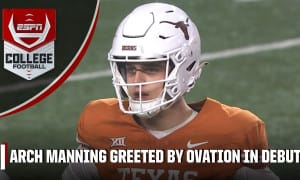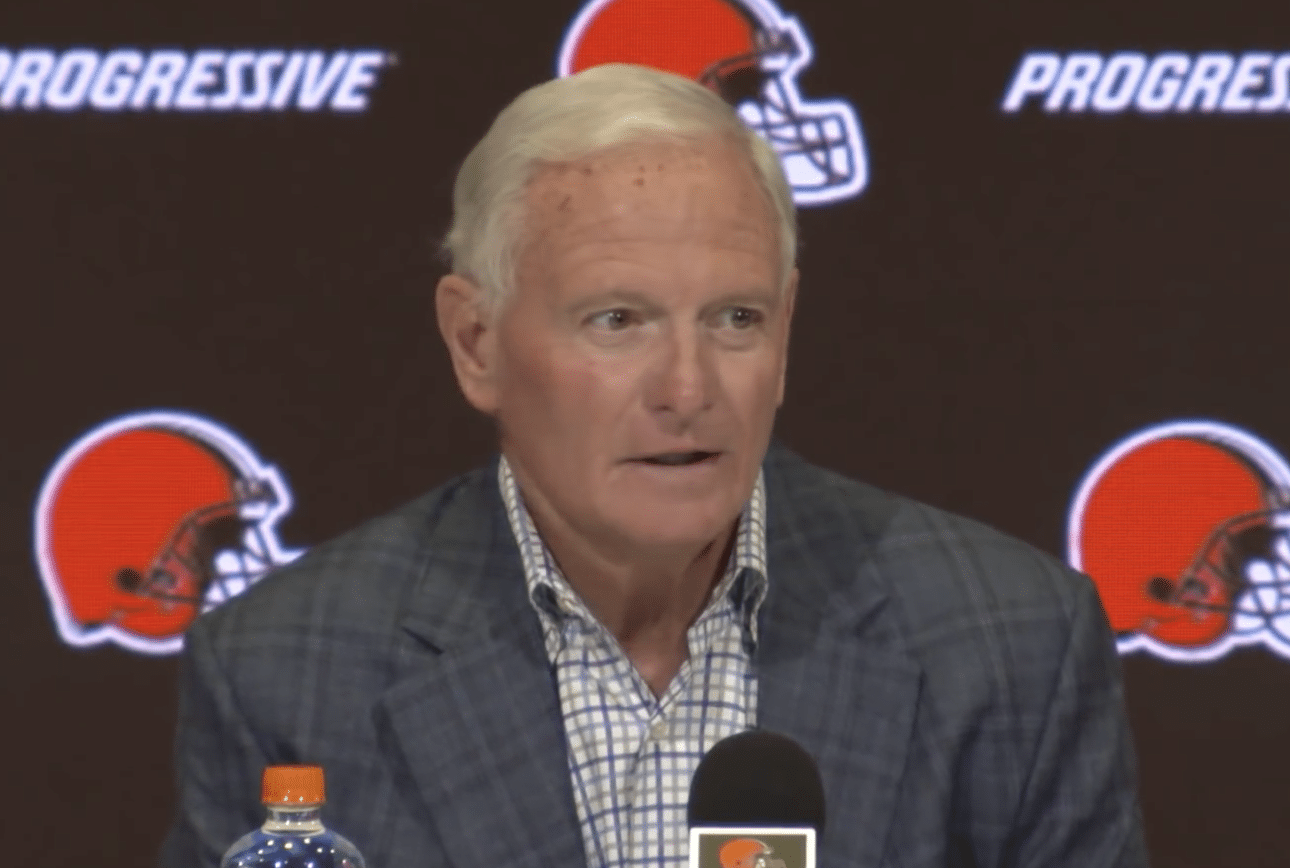
Recent discussions surrounding the Cleveland Browns include speculation about the future of quarterback Arch Manning, particularly in relation to a potential draft selection in 2026. Browns owner Jimmy Haslam offered his perspective on the matter, addressing ongoing rumors about the team’s potential interest in the Texas Longhorns standout.
Despite having five quarterbacks on their roster, the Browns’ situation remains uncertain. Deshaun Watson’s career has faced significant challenges, leading many to believe it may be nearing its end. Meanwhile, Kenny Pickett has struggled with early injuries, and rookie Dillon Gabriel has yet to instill much confidence in fans. Shedeur Sanders’ stock has also dramatically fallen, compounding the team’s quarterback woes.
Joe Flacco recently performed well in his stint with the Browns and is currently favored to start in 2025. However, there is a belief that the team could have the opportunity to secure a top-tier quarterback in the upcoming draft.
This speculation has linked Manning to the Browns, in part due to Haslam’s established relationship with the Manning family and familiarity with the SEC. Yet, Haslam is dismissive of the idea that Manning will be available in the next draft.
“I don’t know Arch at all,” he stated on Tuesday, according to Daniel Oyefusi. “I bet he stays in college two more years. I don’t even think that’s worth discussing.”
Jimmy Haslam’s Judgement on Arch Manning
Haslam, known for stirring the pot with bold statements, made a prudent choice not to express overt interest in a player who has yet to declare for the draft. This cautious approach reflects an understanding of the complexities involved in player transitions from college to professional football.
Moreover, Haslam’s assessment of Manning’s likely decision to remain in college may align with the best interests of the young quarterback. With lucrative opportunities available through name, image, and likeness (NIL) deals, Manning’s financial prospects in college can be enticing. The evolving dynamics of college athletics, especially with recent policy changes, may further influence his decision.